Waterproof Products for Long-Term Outdoor Living
Living outdoors for extended durations, whether in a cabin, a converted van, a little home, or a well-liked camping tent configuration, demands more from your materials than a weekend break outdoor camping trip ever would. Rain, moisture, snowmelt, and seasonal freeze-thaw cycles slowly wear down anything not constructed to manage sustained moisture exposure. Picking the appropriate water resistant materials from the start can suggest the distinction between a shelter that lasts years and one that decomposes, rusts, or moulds within a few periods.
Why Waterproofing Issues Much More for Long-Term Setups
A weekend sanctuary only needs to endure a short burst of climate. Long-lasting outside living is a different obstacle completely. Materials are revealed to hundreds of wet-dry cycles, UV deterioration, and constant moisture that can leak into joints, fasteners, and insulation. Over time, also little susceptabilities worsen into significant structural or health concerns, including mould development, wood rot, and corroded equipment. This is why sturdiness and breathability matter equally as long as raw water resistance.
Roof Covering and Architectural Waterproofing
For any irreversible or semi-permanent outside structure, the roofing is the first and crucial line of defense. Standing-seam steel roof remains a favored for long-term builds due to the fact that it loses water efficiently, stands up to UV break down, and can last thirty years or even more with very little upkeep. Rubber membrane roof covering, such as EPDM, is one more solid choice, especially for flatter or low-slope frameworks like cabins and converted trailers, given that it flexes with temperature level modifications without fracturing.
Below the noticeable roofing layer, a top quality synthetic underlayment includes an essential second barrier. Unlike older really felt paper options, artificial underlayments resist tearing and stand up much longer under long term dampness exposure, getting valuable time if the external layer is ever before compromised.
Wall Surface and Outside Cladding Options
Exterior wall surfaces need products that can take care of both direct rainfall and extended wetness without swelling or rotting. Fiber cement house siding has ended up being a best choice since it stands up to water absorption, doesn't warp, and holds paint well over years. For a more natural visual, thermally changed wood is worth taking into consideration. The warmth treatment procedure modifies the timber's cellular framework, making it far less prone to moisture absorption and decay than without treatment lumber, while still offering the look of standard hardwood.
Behind any cladding, a well-installed weather-resistant barrier (typically called a residence cover) is important. It enables built-up indoor dampness to escape while blocking liquid water from going into, which aids prevent the trapped-moisture problems that trigger several long-term structures to fail from the inside out.
Fabrics and Soft-Sided Shelters
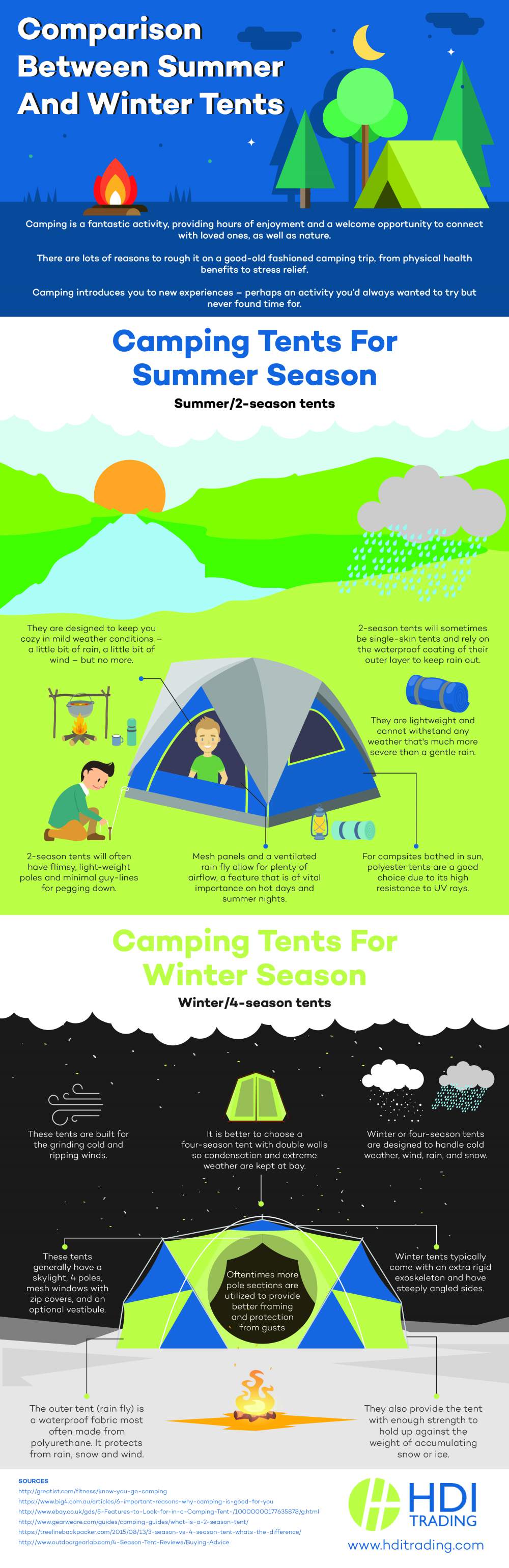
For those residing in camping tents, yurts, or canvas-walled frameworks lasting, fabric choice is vital. Waterproof-breathable materials, covered with polyurethane or silicone, supply solid water resistance while still allowing some vapor to pass through, decreasing condensation accumulation inside the sanctuary. Larger canvas, particularly cotton duck treated with a wax or paraffin coating, has been used for generations in long-term outside sanctuaries since it takes a breath well and can be re-treated as the layer wears down, expanding its useful life much past artificial choices that degrade and can not be refreshed.
Floor Covering and Ground-Level Defense
Dampness climbing from the ground is usually overlooked, yet it's equally as destructive as rainfall from above. A sturdy vapor obstacle underneath any type of flooring system stops ground moisture from wicking upward into subfloors and living spaces. For raised frameworks, composite outdoor decking products, made from a blend of wood fibers and recycled plastics, resist rot and insect damages much much better than strong wood, making them a smart choice for porches, sidewalks, and system bases.
Sealers, Joints, and Maintenance Information
Even the best waterproof products will eventually fall short if the joints and joints aren't effectively sealed. High-quality silicone or polyurethane sealers continue to be adaptable with temperature swings, unlike less expensive caulks that split and diminish in time. For fabric sanctuaries, seam tape or joint grip products designed especially for waterproof textiles must be reapplied regularly, given that this is usually where leakages initially create.
Finding Materials for Your Climate
No solitary material functions almost everywhere. Moist environments require breathable alternatives that prevent trapped wetness, while snow-heavy regions gain from steep rooflines and materials ranked for folding wooden table duplicated freeze-thaw cycles. Coastal atmospheres add salt direct exposure into the mix, favoring corrosion-resistant steels and marine-grade sealants. Taking time to match materials to your specific environment, instead of relying upon common referrals, is just one of one of the most essential action in developing a sanctuary meant to last.
Building for the Long Haul
Lasting outside living benefits persistence and excellent material choices ahead of time. Investing in tested waterproofing systems, from the roof covering to the ground obstacle, minimizes upkeep migraines and protects both the framework and individuals residing in it. With the appropriate mix of materials matched to your climate and way of life, an exterior living space can remain dry, comfy, and structurally appear for several years ahead.